

Funeral director and mortician are two titles that regularly seem in the context of end-of-life companies. These names may be used interchangeably, however they really refer to totally different positions within the funeral business. Both specialists are important in ensuring that the departed are treated with respect and decency, but their duties and specialties range. We'll make clear the distinction between a funeral director and a mortician in this investigation, showcasing the particular contributions each makes to the somber chore of saying goodbye.
Embracing Compassion: The Role of a Funeral Director
A funeral director is akin to a compassionate conductor, orchestrating all the elements necessary to hold out a meaningful farewell ceremony. These devoted professionals handle the logistics, planning, and coordination of a funeral or memorial service. Their responsibilities encompass everything from guiding grieving families through the association process to ensuring that every detail of the service proceeds easily.
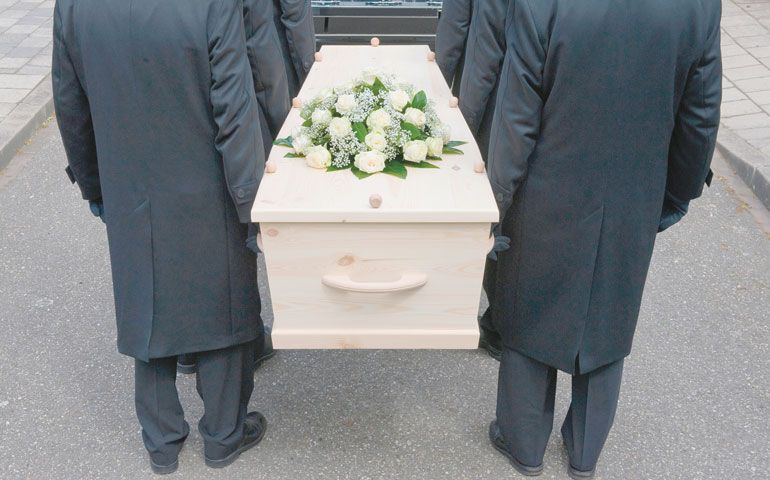
Key Responsibilities of a Funeral Director:
1. Arrangement Consultations: Funeral directors meet with grieving families to debate their wishes, preferences, and price range for the service. They supply steering and choices, assisting in making knowledgeable selections throughout a difficult time.
2. Logistical Planning: From selecting a casket or urn to deciding on a burial or cremation, funeral administrators manage the logistical aspects of the arrangements based mostly on the household's choices.
three. Coordinating Details: Every facet of a funeral, from scheduling the service to arranging transportation and coordinating floral displays, falls beneath the purview of the funeral director.
four. Documentation: Funeral directors handle authorized paperwork, together with obtaining permits and submitting essential documents for burial or cremation.
5. Support and Compassion: Beyond the logistics, funeral administrators supply emotional help to families, offering a comforting presence throughout a interval of loss and transition.
The Mortician's Expertise:
In distinction, a mortician, also identified as an embalmer, is targeted on the preparation and preservation of the deceased's body. This intricate process involves embalming—preserving the body via sanitization, restoration, and disinfection. Morticians make use of their expertise to make sure the deceased is introduced with the utmost care, usually involving cosmetic restoration to create a peaceful and lifelike look for viewings.
Key Responsibilities of a Mortician:
1. Additional reading and Restoration: Morticians embalm the physique to quickly protect it and prepare it for public viewing. They can also engage in restorative practices to recreate a natural appearance, if needed.
2. Cosmetic Application: Morticians skillfully apply cosmetics to boost the deceased's appearance, bearing in mind components like pores and skin tone and lighting.
three. Dressing and Presentation: The mortician dresses the body within the chosen clothes and ensures it is presented in a dignified and respectful manner.
four. Casketing: Part of the mortician's function includes placing the body throughout the chosen casket, ensuring the presentation is appropriate for viewings and ceremonies.
5. Sanitization and Hygiene: Morticians prioritize thorough sanitation and hygiene throughout the embalming and preparation course of.
While each funeral directors and morticians play very important roles in the funeral industry, their expertise and duties diverge. Funeral administrators navigate the emotional landscape of grieving families, orchestrating meaningful ceremonies, and guaranteeing the logistical features of the service run easily. Morticians, on the other hand, specialize in making ready the deceased's physique for viewing, employing their skills in embalming, restoration, and presentation.
Ultimately, the collaboration between these two roles leads to a complete and respectful farewell experience for households and their loved ones. Their combined efforts uphold the dignity of the deceased whereas offering solace and assist to those that are mourning—a testomony to the compassion that defines the funeral industry.